# A simple implementation of a stack using a Python list

# Create an empty list to represent the stack
stack = []

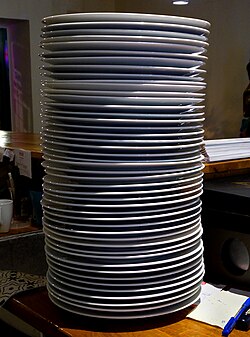
# Push elements onto the stack (like adding plates to the top)
print("Pushing elements onto the stack:")
stack.append('A')  # Push 'A'
stack.append('B')  # Push 'B'
stack.append('C')  # Push 'C'

# The last element in the list is the top of the stack

# Pop elements from the stack (like taking plates from the top)

popped_element = stack.pop()  # Pop 'C'
popped_element = stack.pop()  # Pop 'B'
popped_element = stack.pop()  # Pop 'A'

# Stack is now empty, after all elements are removed(pop)